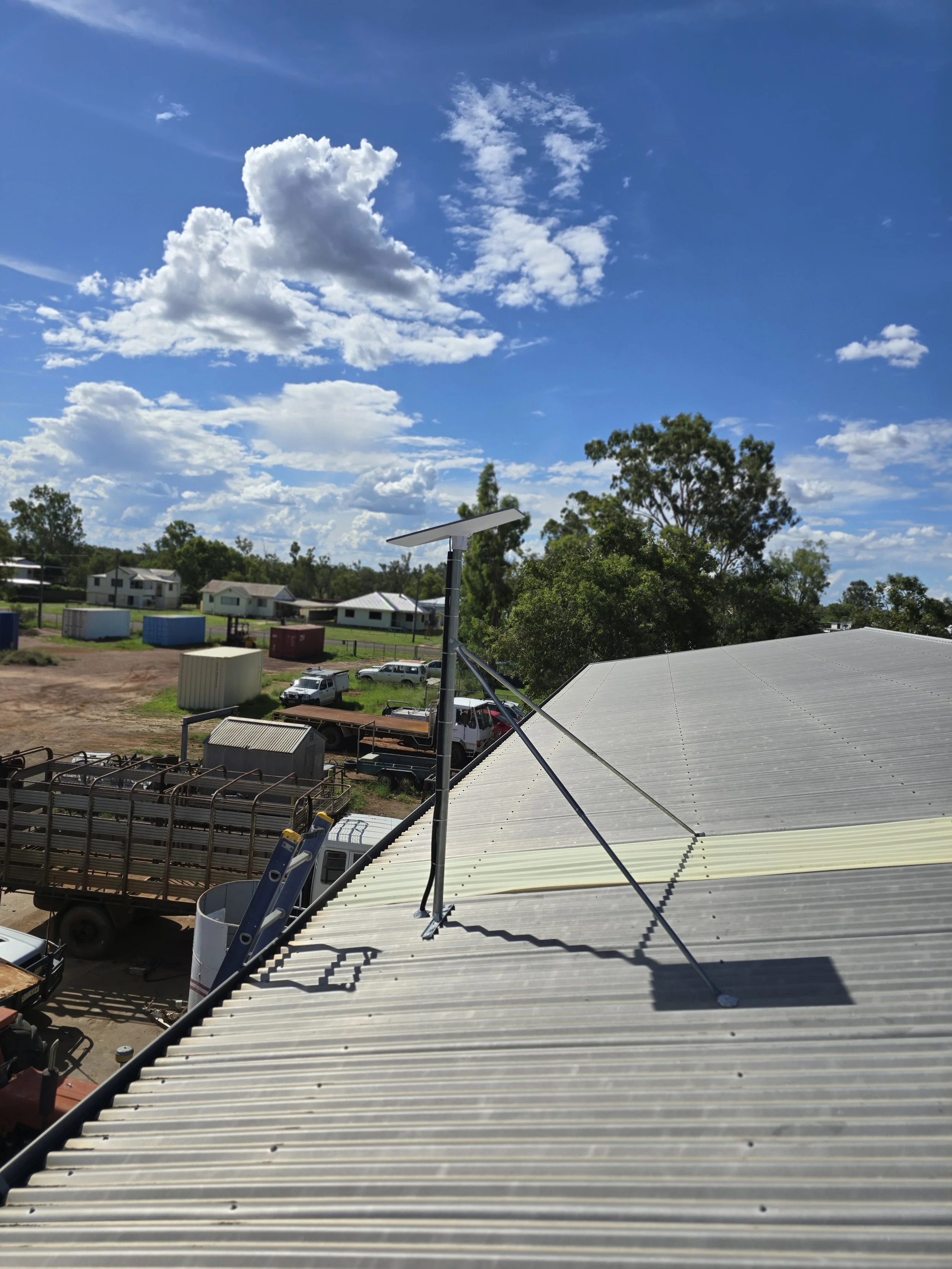

Is Starlink good for rural internet?
By South West Tech
Yes.
Starlink is one of the best internet options available for many rural and remote Australian properties, particularly where fibre, fixed wireless or reliable mobile coverage isn't available. By using a network of low Earth orbit (LEO) satellites instead of traditional geostationary satellites, Starlink can deliver faster speeds and much lower latency than older satellite internet services.
For many people living on farms, acreages and remote properties, Starlink has transformed internet access, making activities like video calls, streaming and working from home far more practical than they were with previous satellite services.
How Does Starlink Perform in Rural Australia?
Unlike traditional satellite internet, which relies on satellites more than 35,000 km above Earth, Starlink's satellites orbit at around 550 km. This significantly reduces the time it takes for data to travel, resulting in lower latency and a more responsive internet connection.
In real-world testing, Starlink has consistently delivered higher download speeds and lower latency than NBN Sky Muster, making it a popular choice for regional Australians who previously had limited internet options. The ACCC has also found Starlink to outperform Sky Muster in both speed and responsiveness.
Is Starlink Better Than NBN?
It depends on what's available at your address.
If your home has access to fibre (FTTP) or a high-quality fixed wireless NBN connection, those services may offer similar or even better performance at a lower monthly cost. However, if your only options are slow fixed-line services, mobile broadband or traditional satellite internet, Starlink is often a significant improvement.
For many rural properties, Starlink provides a level of speed and reliability that simply wasn't possible a few years ago.
Things to Consider
Although Starlink performs well in rural areas, it does require a clear view of the sky. Trees, buildings or other obstructions can interrupt the connection and cause brief dropouts. The system also requires continuous power, so if you're off-grid, you'll need an appropriately sized solar and battery system to keep it running.
Heavy rain and severe weather can occasionally reduce performance, although most users continue to experience a reliable connection during normal weather conditions.
Is Starlink Worth It?
If you live in a rural or remote area with limited internet choices, the answer is often yes. While the upfront hardware cost and monthly subscription are higher than some traditional broadband plans, many Australians consider the improved speed, reliability and unlimited data well worth the investment, especially for working from home, streaming and staying connected in regional locations.